At Avishai Heart Care & Multi speciality Hospital, we provide expert hypertension treatment in Siddipet for patients with high blood pressure, fluctuating BP, headache, dizziness, chest discomfort, and long-term heart risk factors.
Hypertension is often called a silent killer, because it may not show symptoms while gradually damaging the heart, brain, kidneys, eyes, and blood vessels over time. If untreated, high blood pressure significantly increases the risk of heart attack, stroke, kidney disease, heart failure, and coronary artery blockage.
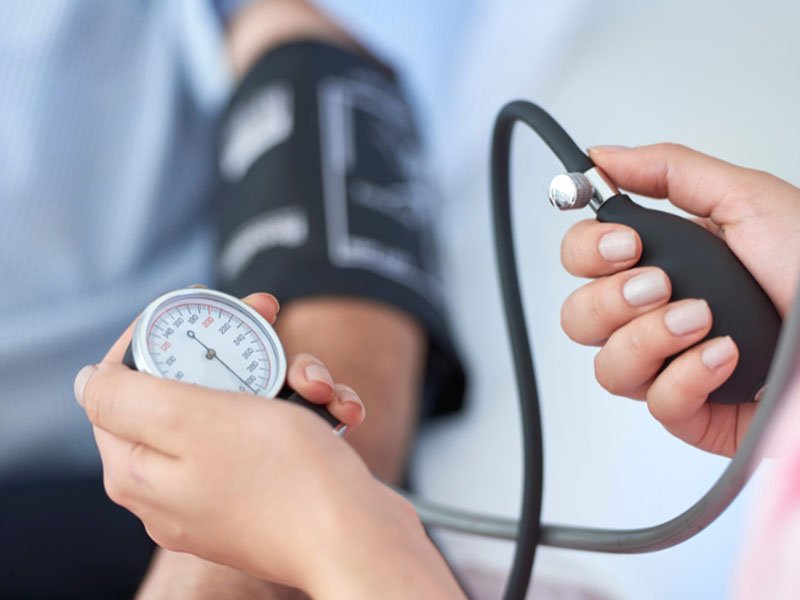
Our treatment focuses on accurate BP tracking, medication optimization, salt restriction, weight control, diabetes management, stress reduction, and regular physical activity to achieve long-term cardiovascular protection.
1) Target Organ Damage Screening
We screen for damage caused by prolonged high BP, including:
2) Diabetes & Obesity Risk Evaluation
Associated risks such as diabetes, obesity, cholesterol, smoking, and family history are assessed as part of complete cardiovascular care.
3) Personalized BP Control Plan
Each patient receives an individualized treatment plan with:
4) Heart Attack & Stroke Prevention
Sustained blood pressure control significantly lowers the risk of:
5) Long-Term Kidney & Brain Protection
Proper BP management reduces the chances of stroke, kidney failure, memory decline, and vascular complications.
Seek medical review if you have:
These may indicate poor BP control or target-organ damage.
1) What is the best treatment for hypertension?
The best treatment includes BP medicines, salt restriction, regular exercise, weight control, diabetes management, and stress reduction.
2) Can high BP damage the heart?
Yes. Long-term uncontrolled BP can cause heart attack, heart failure, heart enlargement, and coronary artery disease.
3) Which hospital is best for hypertension treatment in Siddipet?
Avishai Heart Care & Multi speciality Hospital provides trusted hypertension treatment in Siddipet, including BP monitoring and heart risk prevention.
4) Can BP cause stroke?
Yes. High BP is one of the leading causes of stroke, brain hemorrhage, and vascular damage.
5) How often should BP be monitored?
Patients with hypertension should monitor BP daily or as advised by their cardiologist, especially during medicine adjustments.