
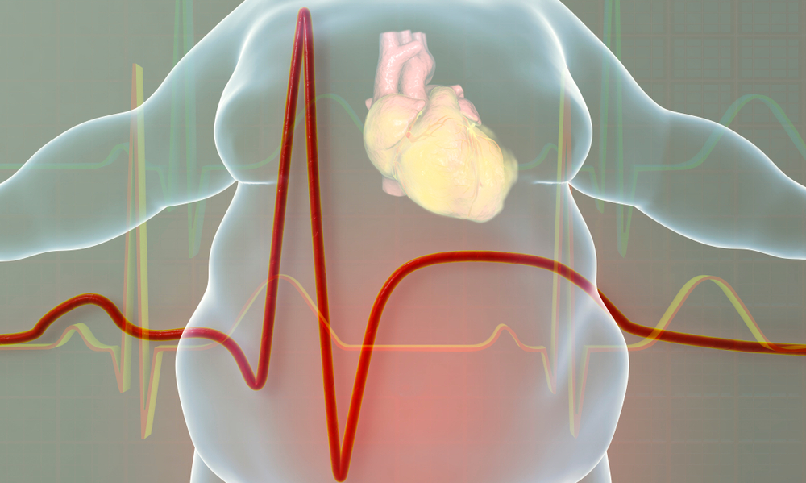
Obesity is a major risk factor for heart disease and other cardiovascular problems. Excess body fat increases the strain on the heart and affects the normal functioning of the circulatory system. People who are overweight or obese are more likely to develop conditions such as high blood pressure, high cholesterol, and type 2 diabetes, all of which increase the risk of heart disease.
Obesity can lead to the buildup of fatty deposits in the arteries, a condition known as atherosclerosis. This narrows the blood vessels and reduces blood flow to the heart, increasing the chances of heart attack and stroke. Excess weight also forces the heart to work harder to pump blood throughout the body. Over time, this can weaken the heart muscles and lead to heart failure.
Maintaining a healthy weight through regular physical activity and a balanced diet is important for protecting heart health. Lifestyle changes such as eating nutritious foods, reducing sugar and fat intake, and staying active can significantly lower the risk of obesity-related heart disease. Early management of obesity can help improve overall cardiovascular health and prevent serious complications.