Angioplasty is a medical procedure used to open blocked or narrowed arteries and restore proper blood flow to the heart. It is commonly performed to treat coronary artery disease, a condition caused by the buildup of plaque (fatty deposits) inside the arteries.
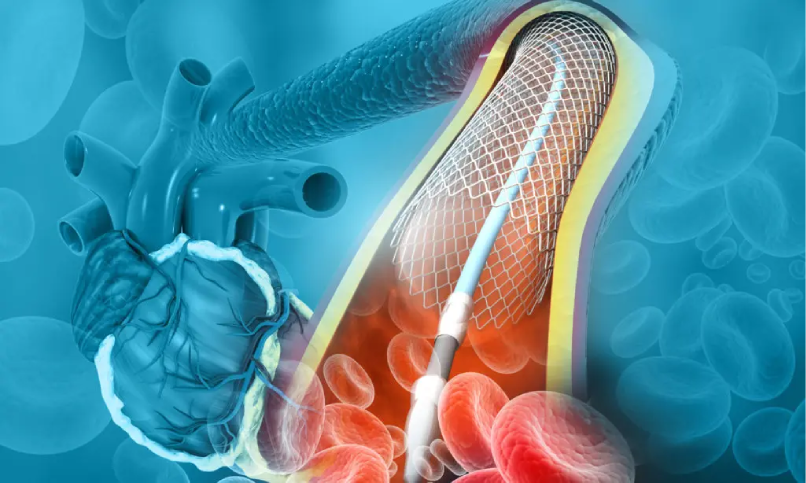
During the procedure, a thin tube called a catheter is inserted through a blood vessel, usually in the wrist or groin, and guided to the blocked artery. A small balloon attached to the catheter is then inflated to widen the narrowed artery and improve blood flow.
In many cases, doctors place a small metal mesh tube called a stent in the artery during angioplasty. The stent helps keep the artery open and prevents it from narrowing again. Once the stent is placed, the balloon is deflated and removed.
Angioplasty is a minimally invasive procedure and usually takes about 30 minutes to a few hours. Most patients recover quickly and can return to normal activities within a few days.
This procedure helps relieve symptoms such as chest pain (angina), improves blood circulation to the heart, and reduces the risk of heart attack. However, patients are still advised to maintain a healthy lifestyle, including proper diet, exercise, and regular medical checkups to protect heart health.