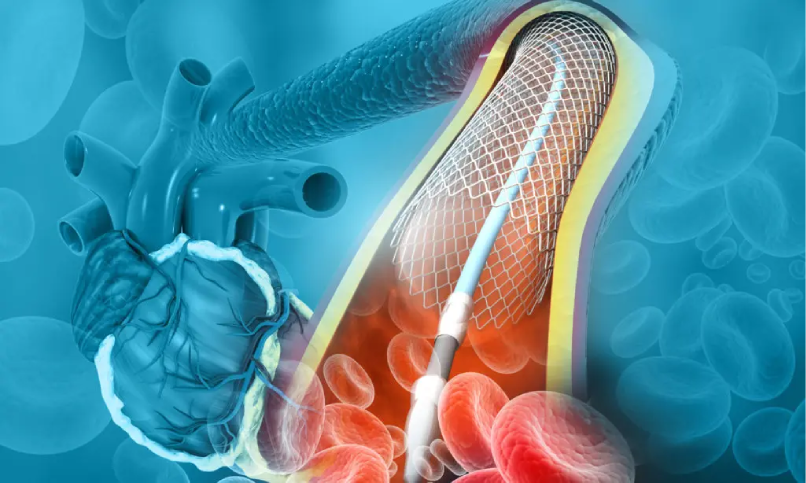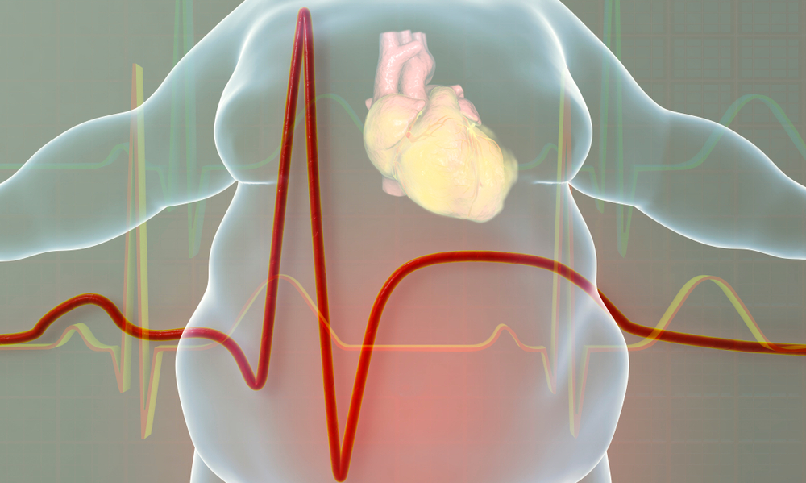
A heart attack occurs when the blood flow to a part of the heart muscle is blocked, usually due to a buildup of fatty deposits in the arteries. Recognizing the early warning signs of a heart attack is very important because quick medical treatment can save lives and reduce heart damage.
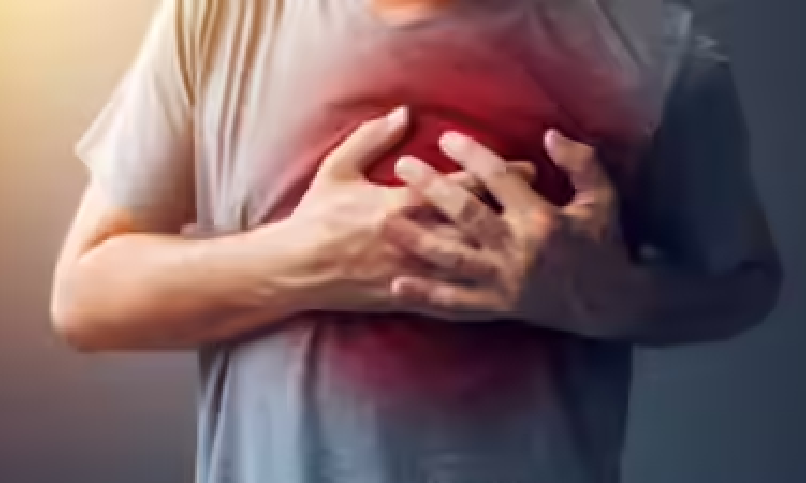
One of the most common symptoms is chest pain or discomfort, which may feel like pressure, tightness, or squeezing in the chest. The pain may also spread to the arms, neck, jaw, back, or shoulders. Some people experience shortness of breath, even without chest pain.
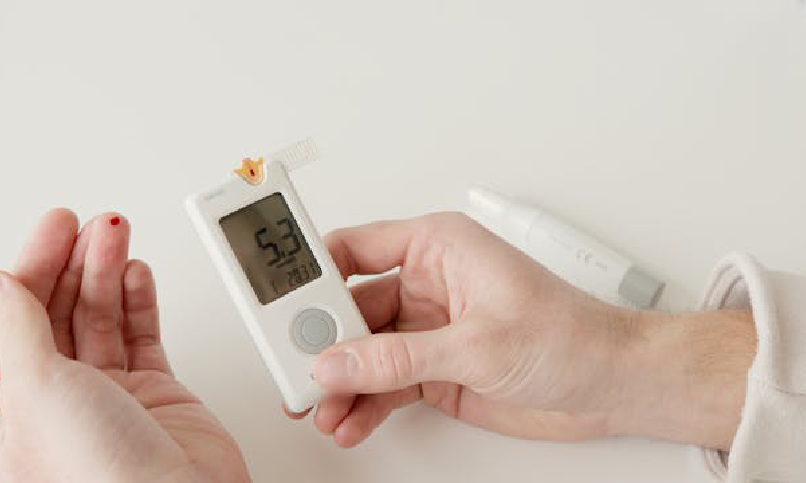
Other warning signs include cold sweats, nausea, vomiting, dizziness, and extreme fatigue. Some individuals, especially women, older adults, and people with diabetes, may experience mild or unusual symptoms such as indigestion, fatigue, or discomfort in the upper body.
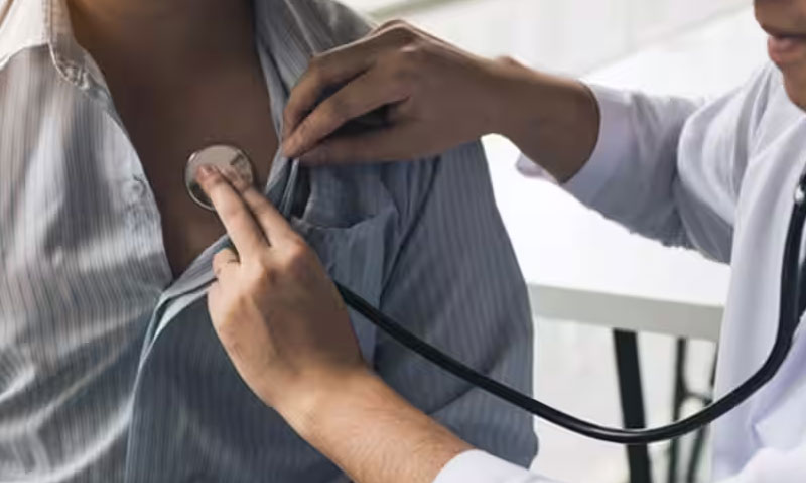
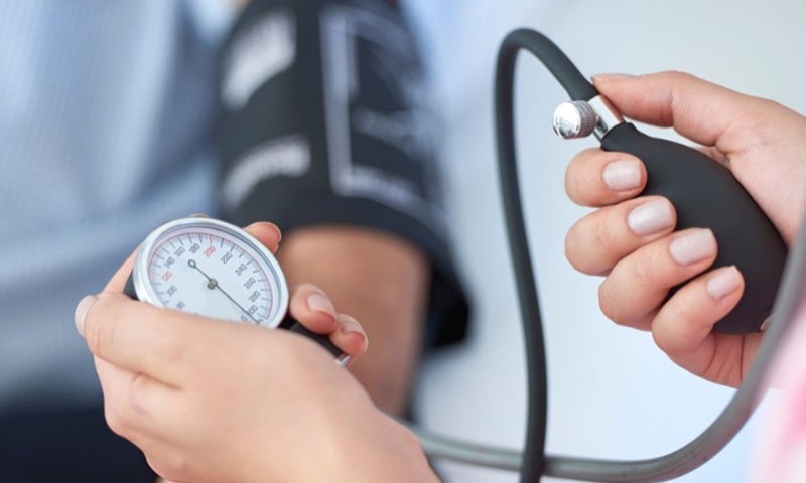
If someone experiences these symptoms, it is important to seek emergency medical help immediately. Early treatment greatly increases the chances of survival and reduces the risk of serious heart damage. Regular health check-ups and a healthy lifestyle can also help lower the risk of heart attacks.